
Australian authorities have now formally charged twenty-four-year-old Naveed Akram over the Bondi Beach terror attack. Akram has been charged with 59 offences, including 15 counts of murder, one count of committing a terrorist act, multiple counts of wounding with intent to murder, and a range of firearms and explosives-related offences arising from Sunday’s attack on a Hanukkah gathering.
Police confirmed Akram was charged after regaining consciousness in hospital and being assessed as medically fit to understand the proceedings. He remains under police guard, with the matter expected to proceed through the courts as investigations continue.
Authorities allege Akram carried out the attack alongside his father, 50-year-old Sajid Akram, who was shot dead by police at the scene. Investigators have said the attack was ideologically motivated, and have confirmed that improvised explosive devices were located at the site but did not detonate.
Police and intelligence agencies have emphasised that the laying of charges marks a significant step in the investigation, while broader inquiries continue into the circumstances leading up to the attack, including radicalisation pathways, access to weapons and any potential overseas links.
Authorities have warned about the rapid spread of misinformation and speculation on social media following the attack. New South Wales Police have cautioned that false claims circulating online, including unverified reports about additional offenders, intelligence failures and community-wide culpability, risk inflaming tensions and undermining public safety. Police have urged the public to rely on confirmed information from official sources while investigations continue, noting that terrorist incidents are often followed by waves of disinformation designed to provoke fear, retaliation or social division.
Senior law enforcement figures have emphasised the heroism displayed during the attack. New South Wales Police officers ran towards gunfire to confront the attackers, with two officers sustaining serious injuries and remaining in recovery. Police have said their actions were instrumental in preventing further loss of life. Paramedics and emergency responders were also praised for operating under extreme and dangerous conditions to treat and evacuate the wounded.
Equally, authorities have acknowledged the bravery of civilians who intervened. One bystander, Ahmad Al Ahmad, was shot while attempting to disarm one of the attackers, an action police believe disrupted the assault and saved lives. Emergency services have described his actions as emblematic of the courage shown by ordinary Australians in the face of terror.
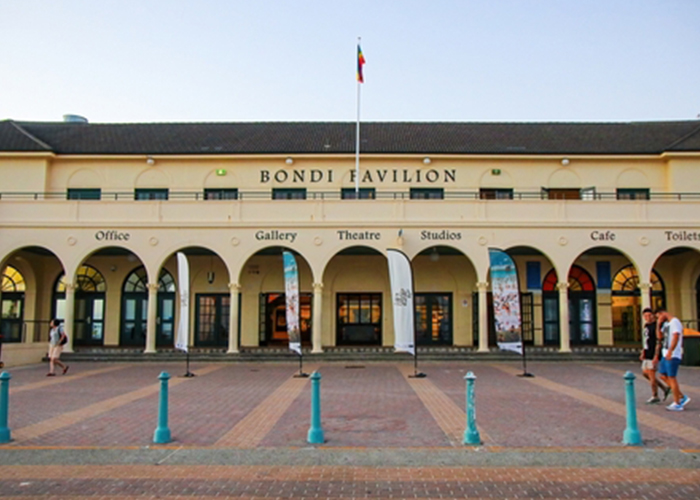
Vigils and memorial services have continued across Sydney, including at Bondi Beach, where thousands gathered to honour the victims. The Jewish community has been at the centre of national support, with leaders across politics and civil society condemning the attack as a targeted act of antisemitic terrorism.
Former Treasurer Josh Frydenberg said today the attack marked a dangerous escalation of antisemitism in Australia and warned against complacency.
“This was not just an attack on the Jewish community, it was an attack on Australia,” Frydenberg said. “Antisemitism doesn’t begin with bullets — it begins with words, with incitement and with silence. But alongside this horror, we saw the best of our country: police who ran towards danger and ordinary Australians who risked everything to protect others.”
National Cabinet has met to review security arrangements following the attack, including expanded protective policing under Operation Shelter, which has seen hundreds of officers deployed to protect community sites and public events. Governments have also agreed to review firearms licensing frameworks, intelligence-sharing mechanisms and counter-radicalisation settings in light of the incident.
Authorities have urged the public to avoid speculation as investigations continue, warning that retaliatory violence or hate crimes will not be tolerated. Police have reinforced that maintaining social cohesion and community safety remains a central priority.
As Australia confronts the aftermath of the Bondi attack, leaders have stressed that resilience, unity and vigilance must guide the national response. While the violence has left deep wounds, the courage shown by police, emergency services and civilians alike has become a defining reminder of the nation’s resolve to stand against terrorism and hatred.