


Boon Edam Australia reports surge in demand for layered, Zero Trust–aligned physical security as data centre investment reaches record levels
Australia’s rapidly expanding data centre sector is confronting a widening physical security challenge as hyperscale facilities grow in size, complexity, and regulatory scrutiny. The shift is driving not only demand for advanced entrance technology, but also for specialised, high-reliability service capable of supporting critical infrastructure operating 24/7.
According to the Australian Infrastructure Monitor, data centres have now entered the country’s most preferred infrastructure investment category, ranking third alongside renewable energy. With more than 300 data centres now operating across Australia, and new hyperscale facilities up to 20 times larger than previous generations, operators are reassessing how they control physical access and maintain operational continuity.
Cyber maturity is rising – but physical maturity is not keeping pace
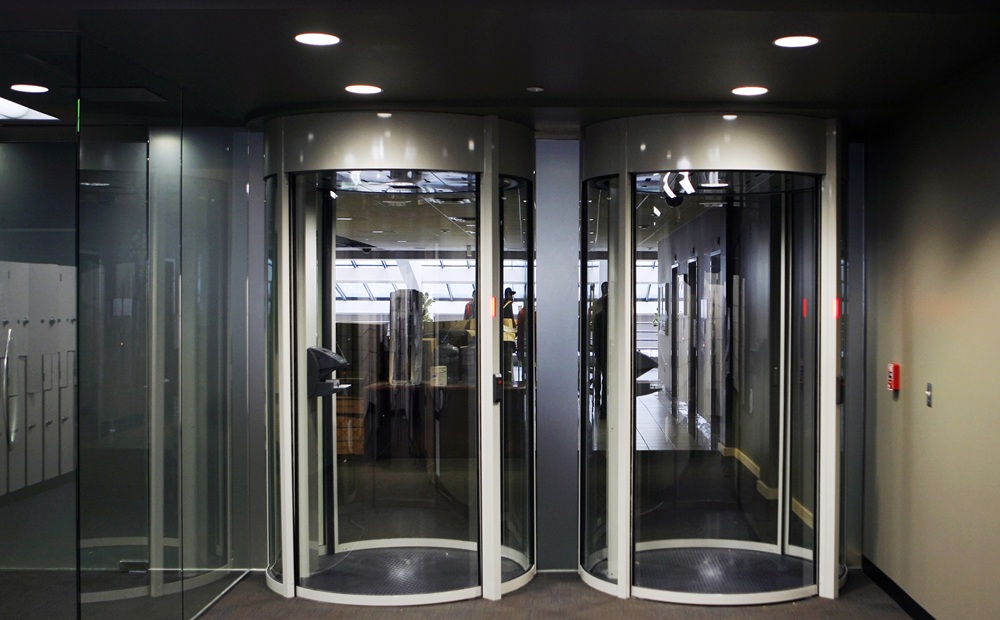
Security entrances address the risk of unauthorised entry (including tailgating and piggybacking) before it happens. Anywhere that stores valuable data is also at risk of attacks, either by terrorists or criminals, so it’s vital that only authorised personnel can enter data facilities.
According to Mike Fisher, Managing Director and founding leader of Boon Edam Australia, many operators underestimate how quickly their physical risk profile evolves as they scale.
“Cybersecurity investment has surged, but physical security is often still based on legacy assumptions,” says Fisher. “Tailgating, piggybacking, credential misuse, and insider threat remain among the most common – and preventable – vectors for data centre breaches globally.”
Fisher says Boon Edam’s Australian business has seen its strongest-ever uptake of multi-layered entrance architecture – a shift consistent with trends across the US, Europe, and Asia, where the company protects some of the world’s largest facilities and government agencies.
“The last three years in Australia and New Zealand have been extraordinary. Operators are now prioritising layered control of outer, inner, and high-security zones, reflecting global standards and compliance expectations,” he says.
Why service is now a frontline risk issue for data centres
An important consideration across the sector, Fisher says, is that many data centres require fast service response times and specialist technical support to keep these systems secure and operating at full reliability.
“Technology alone doesn’t solve physical risk,” Fisher says. “Data centres need partners who can respond quickly, carry deep product knowledge, and support continuous uptime.”
He notes three service challenges that operators frequently report:
- Slow or unpredictable response times: delays – even by hours – can force operators to bypass secure entrances, increasing risk exposure.
- Lack of specialised technicians: general contractors may not be equipped with the specialised skills required for high security entrances and associated software
- Fragmented suppliers: many facilities rely on different vendors for installation, software, servicing, and upgrades, which can result in fragmented communication, delays, and systems not calibrated for optimum efficiency
“These issues were exactly what we identified when establishing a permanent Australian presence 10 years ago,” Fisher says. “It’s why we built a local service team that can cover – under one roof – product, integration, and maintenance. Customers tell us that consistency and attentiveness of after-sales service are major reasons they trust us.”
Zero Trust driving physical design changes
The adoption of Zero Trust principles – long applied in cybersecurity – is now extending to the physical perimeter, where operators must verify every person, at every entry point, without exception.
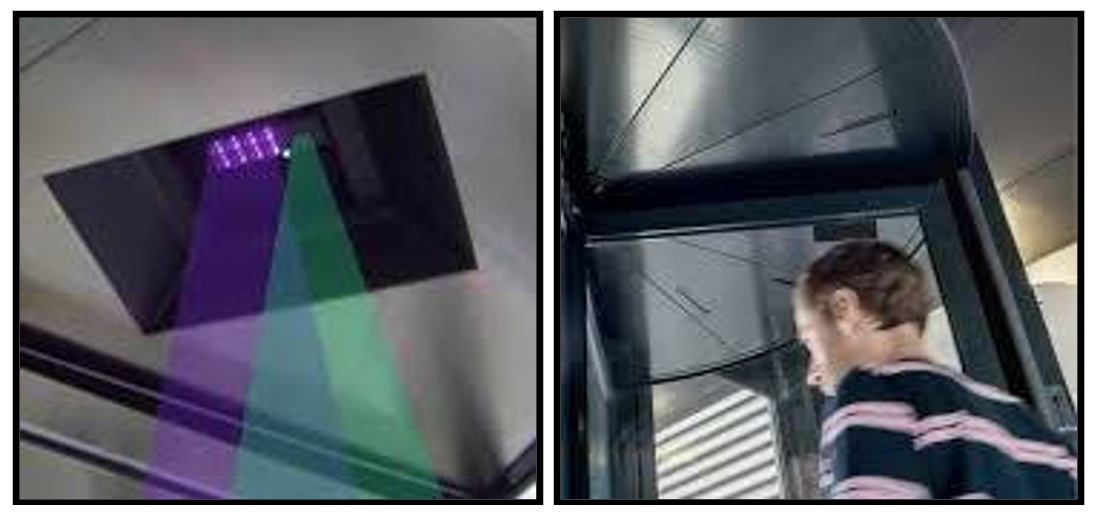
StereoVision uses optical and near-infrared sensors to provide 3D security
This has created strong demand for solutions that actively prevent unauthorised access events before they occur. Technologies such as mantrap security portals and intelligent revolving security doors are increasingly viewed as critical to risk mitigation and compliance.
One example is StereoVision, Boon Edam’s 3D optical and near-infrared detection technology, which identifies multiple occupants attempting to enter on a single credential. This prevents piggybacking in high-security zones housing core computer, network, and power infrastructure.
Scale, compliance, and insurance pressures tightening requirements
Beyond operational risk, Fisher says three pressures are accelerating the shift toward more robust physical security:
- Regulatory obligations: Privacy, critical infrastructure, and cyber regulations now require operators to demonstrate strong physical controls as part of overall risk governance.
- Insurance scrutiny: Insurers are increasing their requirements for physical access mitigation, particularly for hyperscale and co-location environments.
- Workforce expansion: Larger facilities host more contractors, more frequent maintenance, and more complex logistics – multiplying the risk of unauthorised access without multi-stage verification.
Industry transformation still in progress
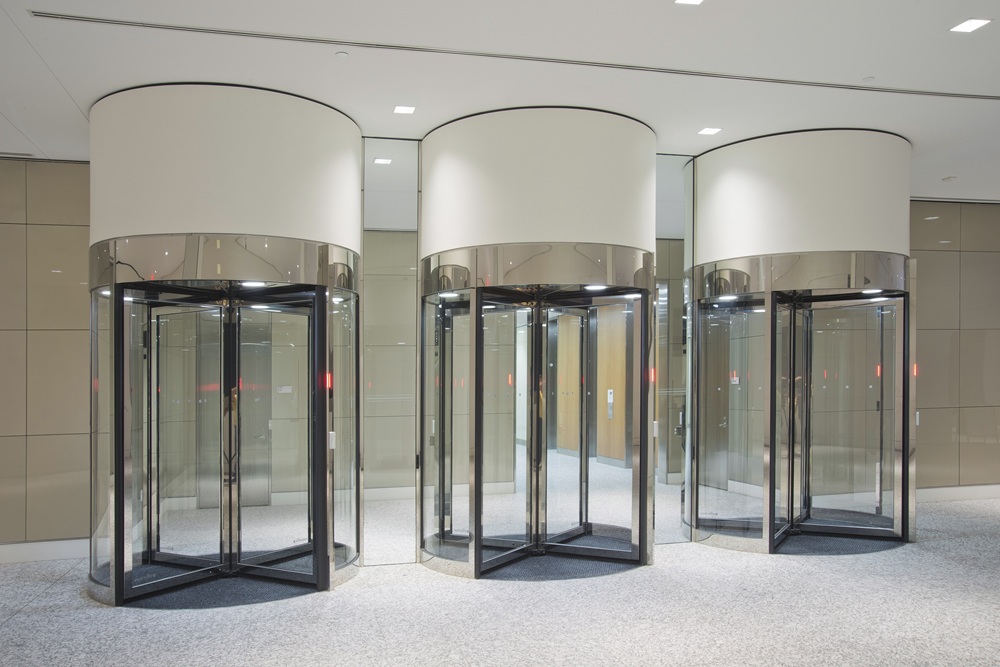
Layered physical security of data centre hubs complements cybersecurity – each type of centre security is not complete without the other
Fisher says the data centre sector is only halfway through its physical-security transformation.
“Operators know they need to align physical security with cyber maturity, and they’re taking big steps. But Australia is still on the journey toward consistent, multi-layered, Zero Trust–aligned physical protection across the entire sector.”
He expects demand to rise further as new hyperscale campuses are built in Sydney, Melbourne, and emerging regional hubs.
Download Boon Edam’s white paper, “Best practices for data centre security and efficiency” for more insights into data centre security.