

By Mike Fisher, Managing Director, Boon Edam Australia
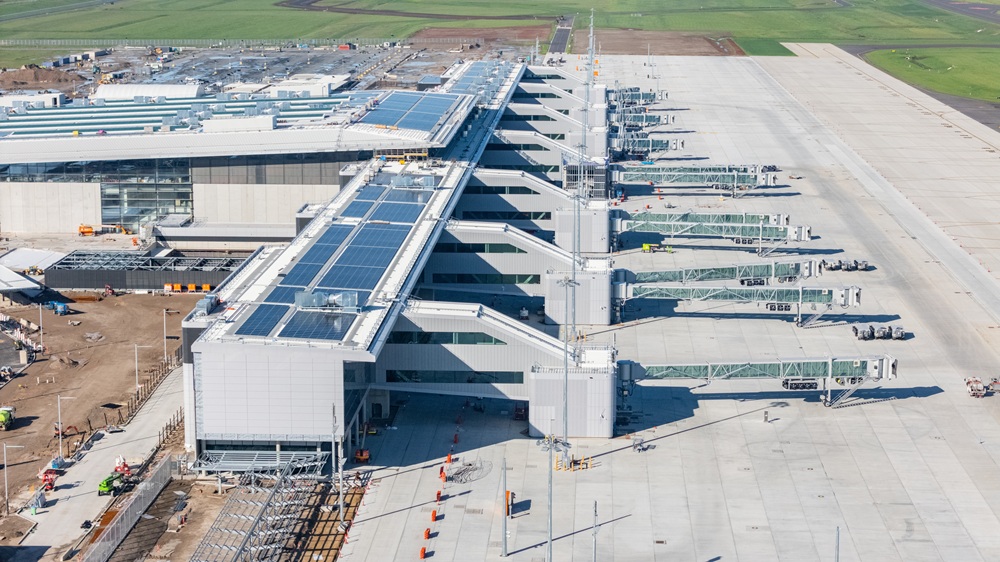
The news that Aldi is to build a billion-dollar automated distribution centre at the new Western Sydney Airport is spectacular in itself, but also a sign of even bigger things to come for the logistics sector.
The remarkable Aldi logistics hub, the size of 15 football fields, is expected to create around 3,700 construction jobs and 585 permanent local jobs, operating 24/7 as it takes advantage of incoming national and international freight to supply more than 200 stores across the state.
The Aldi project joins Australia’s overall network of over 10,800 dedicated warehousing and storage locations, which themselves are part of a broader logistics sector comprising more than 176,000 transport and logistics-related locations.
The sector is experiencing rapid expansion of high significance to designers, builders, and facility managers, with the CBRE commercial real estate and investment organisation estimating that, by 2030, Australia will require an additional 1.7 to 1.8 million square metres of logistics space specifically for e-commerce.
New logistics-related development overall is expected to average 1.9 million sq m per year, which is below the 2.1 million sq m of annual demand forecast, ensuring a continued tight market for industrial space. Major players driving this infrastructure include Toll Group (1,200 locations worldwide), Linfox, Australia Post, and various third-party providers such as Silk Contract Logistics and CTI Logistics.
These are astonishing figures for a key component of Australia’s infrastructure. They shine the spotlight on the fact that expanded logistics centres are fast joining the list of nationally significant sectors requiring higher security protection against disruption (joining infrastructure such as data centres, energy supplies, health facilities, and defence among the 11 key areas defined under the Security of Critical Infrastructure Act 2018).
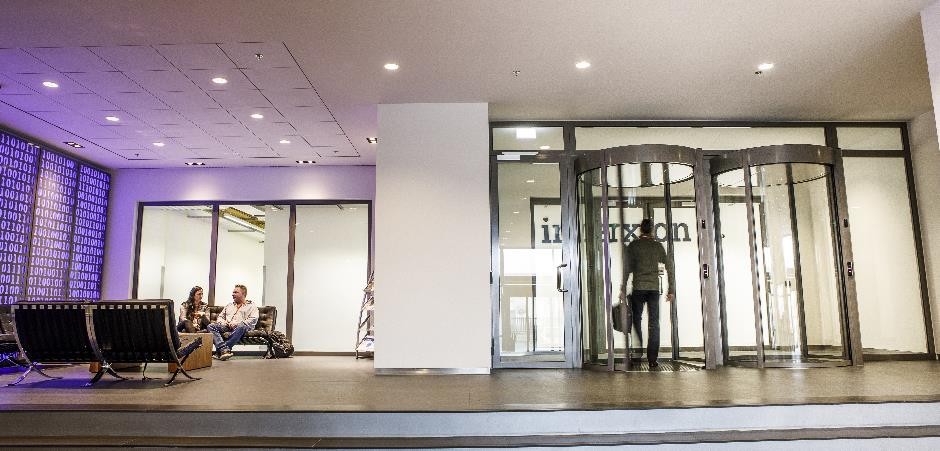
High security portals with integrated biometric scanning – like Boon Edam’s Circlelock – prevent unauthorised entry. They are used globally in data centre applications where high value equipment and data must be protected against threats.
Size matters
What is particularly important for design, construction, facility management, and security professionals is that not only is the overall number of logistics centres growing, but also their overall size and capacity as they endeavour to extract maximum efficiencies.
This mega change – which comes with additional security issues – is in line with international trends of which the Boon Edam Group is acutely aware, as a worldwide provider of security entrance technology in 27 countries including Australasia.
Our worldwide experience is that the global logistics industry is experiencing substantial growth, with recent projections by market intelligence groups placing its value between USD 5.9 trillion and USD 8.1 trillion by 2030, driven by e-commerce expansion, AI integration, and increased demand for technology-driven and sustainable last-mile delivery services. The industry is shifting from a support function to a strategic growth enabler.
As such changes make logistics centres even more important to the economy, their increasing role makes them even more attractive as a target for crime – whether as a honeypot for theft, as a target for sabotage, or as a target (cyber and physical) to cripple supply chains. Among the trends Boon Edam is helping companies to safeguard against include protection of workers and legitimate contractors against crime and violence while securing goods, cargoes, and data facilities against the global cargo crime problem that costs companies tens of billions of dollars annually. Trends against which facility security must increasingly cope include:
 Shift to Strategic Theft: this crime is evolving from opportunistic “theft from vehicle” incidents (historically the most frequent type) to highly organised, strategic operations. Criminal groups use technology to exploit weaknesses and deceive custodians into handing over goods in “fictitious pickups” and container theft.
- High-Value Targets:Organised groups increasingly target high-value shipments, with the average loss per incident climbing significantly. Prime targets often include electronics, food and drink, and household items. The increased threat of violence accompanying high-value crime can also be a major Duty of Care issue for management of the sector’s growing workforce, for which estimates range from over 600,000 people and up to 1.2 million when considering the broader supply chain.
- Physical Security Upgrades, such as those provided globally by Boon Edam, are equally important as cyber security, with advanced CCTV entrance management, and enhanced access control to protect assets and ensure supply chain continuity. Security providers applaud physical security changes to move away from reactive, sporadic security assessments, towards a proactive, 24/7 security system, with continuous monitoring of vendors, visitors, contractors, and staff entitled to have access to particular areas of high-value data or merchandise.

Conclusion
Logistics centres are critical to Australia – and beneficial to the speedy, cost-efficient supply of goods.
But without well-designed, built-in security and management, they can become an Achilles’ heel of infrastructure, with their high-risk centralisation of large single points of failure.
Logistics centres are no longer just passive warehouses; they are essential, high-value 24/7 assets that require careful, layered security to anticipate and prevent known and emerging issues.Vulnerability of Facilities: While road transport accounts for about 71% of global cargo thefts, warehouses and facilities remain significant targets. The storage of stockpiled goods and parked trucks outside facilities makes them accessible targets. With bigger facilities and more of them, this trend is likely to continue without improved protections against threats such as cybersecurity targets for ransomware and extortion, particularly against IT/OT systems for fleet, warehouse, and port management.Physical Security Upgrades, such as those provided globally by Boon Edam, are equally important as cyber security, with advanced CCTV entrance management, and enhanced access control to protect assets and ensure supply chain continuity. Security providers applaud physical security changes to move away from reactive, sporadic security assessments, towards a proactive, 24/7 security system, with continuous monitoring of vendors, visitors, contractors, and staff entitled to have access to particular areas of high-value data or merchandise.
Further reading: Security tips from global authority help plan logistics to reduce losses and enhance worker safety
About the Author
Mike Fisher is the Managing Director of Boon Edam Australia, part of the global Royal Boon Edam group, which specialises in layered security entrance solutions including architectural revolving doors and. Speed gates designed to control access to restricted areas. He leads the company’s operations in Australia, New Zealand, and Papua New Guinea. Boon Edam Australia focuses on providing integrated, high-security entrances for industries such as data centres, AI facilities, financial and telecommunications institutions, logistics facilities, government records and services, defence, industrial, transport and social infrastructure and government infrastructure including energy and vital community services.
Fisher highlights the importance of “layered physical security” to combat threats like tailgating and unauthorised access, particularly with the use of security portals and speed gates. Under his guidance, Boon Edam Australia provides OEM services, maintenance, and expert advice on security compliance and safety standards for workers and visitors.
About Royal Boon Edam
With work environments becoming increasingly global and dynamic, smart, safe entry has become the centre of activity in and around many buildings. Royal Boon Edam is a global market leader in reliable entry solutions. Headquartered in the Netherlands, with 150 years of experience in engineering quality, we have gained extensive expertise in managing the transit of people through office buildings, airports, healthcare facilities, hotels, and many other types of buildings. We are focussed on providing an optimal, sustainable experience for our clients and their clients. By working together with you, our client, we help determine the exact requirements for the entry point in and around your building.
You can find more news about Boon Edam on www.boonedam.com.au/news