
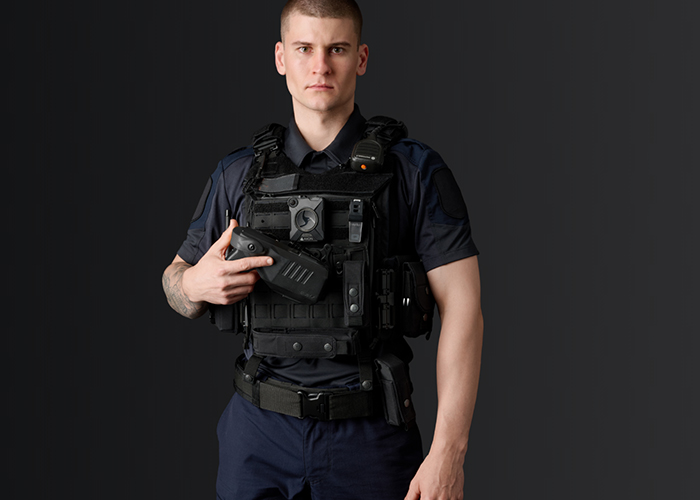
Australian Defence Apparel (ADA) is continuing the state-wide rollout of its ENFORCR® H.A.L.O. X ballistic carrier across the New South Wales Police Force, marking one of the largest operational deployments of an Australian-designed load-carriage system within domestic law enforcement.
The system is now in operational use across the force following a multi-year design, testing and validation process involving frontline officers and operational stakeholders. ADA said the deployment reflects a shift away from one-off product acquisition toward equipment that has been proven at scale under real operational conditions.
Rather than a new product introduction, the rollout highlights how Australian-designed protective equipment is being operationally validated through sustained frontline use, as well as the growing emphasis placed by procurement teams on long-term durability, adaptability and user acceptance.
The ENFORCR® H.A.L.O. X carrier incorporates climate-regulating materials, a modular architecture and laser-cut vertical and horizontal MOLLE systems, allowing officers to configure equipment based on operational requirements and environmental conditions.
ADA chief executive Chris Dixon said the NSW Police deployment underscored the importance of collaboration between industry and end users during development.
“Our approach has been grounded in working closely with officers and operational stakeholders to ensure the system performs in real conditions,” Dixon said. “The state-wide deployment reflects confidence not only in the design, but in its suitability for sustained frontline use.”
According to ADA, the system was developed through extensive consultation and field evaluation, with features refined to meet policing safety standards and operational demands. The company said this process provided procurement teams with assurance around performance, compliance and lifecycle suitability before broader adoption.
ADA continues to work with Australian law enforcement and government agencies to develop and refine protective equipment aligned with frontline realities and public-sector procurement frameworks, as agencies respond to evolving operational and safety requirements.